When Assessing Any Patient the Paramedic Should Remember That
Painter is a 62-year-old patient who comes to the clinic for a follow-up health assessment for complaints of joint tenderness. The patient is now being transported and is still dyspneic with mild bilateral wheezes.

Pin On Nremt Study
The patient is suffering an anaphylactic reaction.

. Assessing the medical history of a patient whenever possible regardless of how severe the situation at hand happens to be is of the utmost importance. When assessing the victim of a stroke the paramedic looks for facial droop or weakness arm drift and aphasia. When assessing the victim of a stroke the paramedic looks for facial droop or weakness arm drift and aphasia.
Some patients with a traumatic injury could also have an underlying medical component. The patients vital signs are as follows. The presence of rhonchi during auscultation of the lungs is MOST suggestive of.
When a patient minimizes his or her symptoms by stating Im fine the paramedic should. The patient has shallow breathing because of the extreme pain of the injury. This is known as.
As the patient wishes to be addressed. B some patients with a traumatic injury could also have an underlying medical component. When assessing any patient the paramedic should remember that.
These three findings in stroke assessment comprise the. C it is extremely common for patients with a medical complaint to have a n underlying injury. The patients hands are turned downward at the wrists.
When assessing any patient the paramedic should remember that. A paramedic is treating a patient who has a flail chest secondary to an assault. When assessing any patient the paramedic should remember that.
The paramedic should address a patient. Some patients with a traumatic injury could also have an underlying medical component. When assessing the head and face during the full-body exam you should.
In assessing a patients position the paramedic notices the patient is lying supine with his arms flexed at the elbows and bent toward the chest. When assessing a trauma patients chest you should remember that. What is the first thing a paramedic should check when assessing the efficiency of the cardiovascular system.
The unilateral termination of the paramedic-patient relationship by the paramedic without assurance that an equal or greater level of care will continue is known as. The best treatment plan for this patient is to. On examination you note a joint that has a boggy soft feel to palpation.
Some patients with a traumatic injury could also have an underlying medical component. After all life-threatening conditions have been identified and addressed in the primary assessment. When assessing a trauma patients chest you should remember that paradoxical.
The paramedic administered 2 Sub-Q injections of epinephrine and 1 dose of diphenhydramine by IV push. When a competent adult patient refuses medical care it is MOST important for the paramedic to. The rapid exam of a patient is usually performed.
A the past medical history is of even greater importance if the patient has a traumatic injury. D the patients underlying. ObjectiveThis study explored the topic of paramedic patient assessment investigating how they informed clinical decisions the challenges associated with performing assessments and the perceived effectiveness of current approachesMethodsUsing a Delphi research method expert participants were independently interviewed which encouraged them.
Asked Dec 14 2016 in Health Professions by MsBeauty79. If the patient is conscious and exhibiting normal mental behavior he or she should be capable of providing a good idea of what may be wrong even before a physical exam is performed. Conclude that he has severe neurologic dysfunction A conscious patients respiratory rate should be measured.
And pulse oximetry 93. Asked Dec 3 2021 in Health Professions by Nanin A recognize that his or her condition is. Have your partner follow the person while working to defuse the situation A.
When assessing a trauma patients chest you should. Course Title PARAMEDICI UNKNOWN. Asked 3 days ago in Anatomy Physiology by DasVon.
BP 11870 mm Hg. C some patients with a traumatic injury could also have an underlying medical component. From this information you should.
When assessing any patient the paramedic should remember that. For a minimum of 30 seconds If a hostile family member suddenly leaves the room especially in the middle of a conversation with him or her you should. This is generally indicative of.
Pages 5 This preview shows page 1 - 3 out of 5 pages. A the past medical history is of even greater importance if the patient has a traumatic injury. Asking the patient about the date time location and events surrounding the current situation will enable you to.
When assessing any patient the paramedic should remember that. Paradoxical movement may not be grossly apparent due to the splinting effect of chest muscle spasms. Learn vocabulary terms and more with flashcards games and other study tools.
B it is extremely common for patients with a medical complaint to have an underlying injury. In assessing a patients position the paramedic notices the patient is lying supine with his arms extended and straight at the elbows. Start studying Patient Assessment paramedic.
Injury could also have an underlying medical component. When assessing any patient the paramedic should remember that. Students who viewed this also studied.
Asked Aug 30 in Nursing by KirraBB.

Medical Assessment Ems Emt Study Emergency Nursing Emergency Medical Responder

Primary Survey Emt Training Base

Difference Between Primary And Secondary Assessment Difference Between
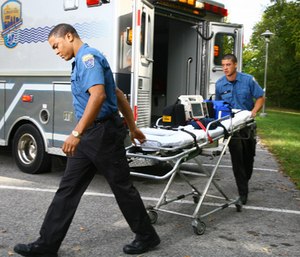
5 Considerations For Improving The Detailed Physical Exam

Emergency Primary And Secondary Systems Of Assessment Journal Of Paramedic Practice

The Revision Of The Primary Survey A 2011 Review Journal Of Paramedic Practice
Assessment Skills For Paramedics 9780335241996 Medicine Health Science Books Amazon Com
Image Result For Lemon Airway Assessment Method Emergency Medicine Respiratory Therapy Notes Respiratory Therapy Student

Secondary Surveys Paramedic Study Guide Ultimate Study Guide For Paramedic Students

Exploring Paramedic Patient Assessment Journal Of Paramedic Practice

Pin By Marissa Hansen On Ems Emt Humor Emergency Medical Firefighter Emt

Pin On Nursing Mnemonics

Pin By Laura Clark On Emt Emt Study Emt Emt Paramedic

Nur 120 Unit 4 Cardiac System And Assessment 1 1 2 1 Nurse Cardiac Nursing Nurse Inspiration

Ekg Ruler Badge Pocket Card Vertical For Nurse Paramedic Emt Etsy Ekg How To Memorize Things Nursing Assistant
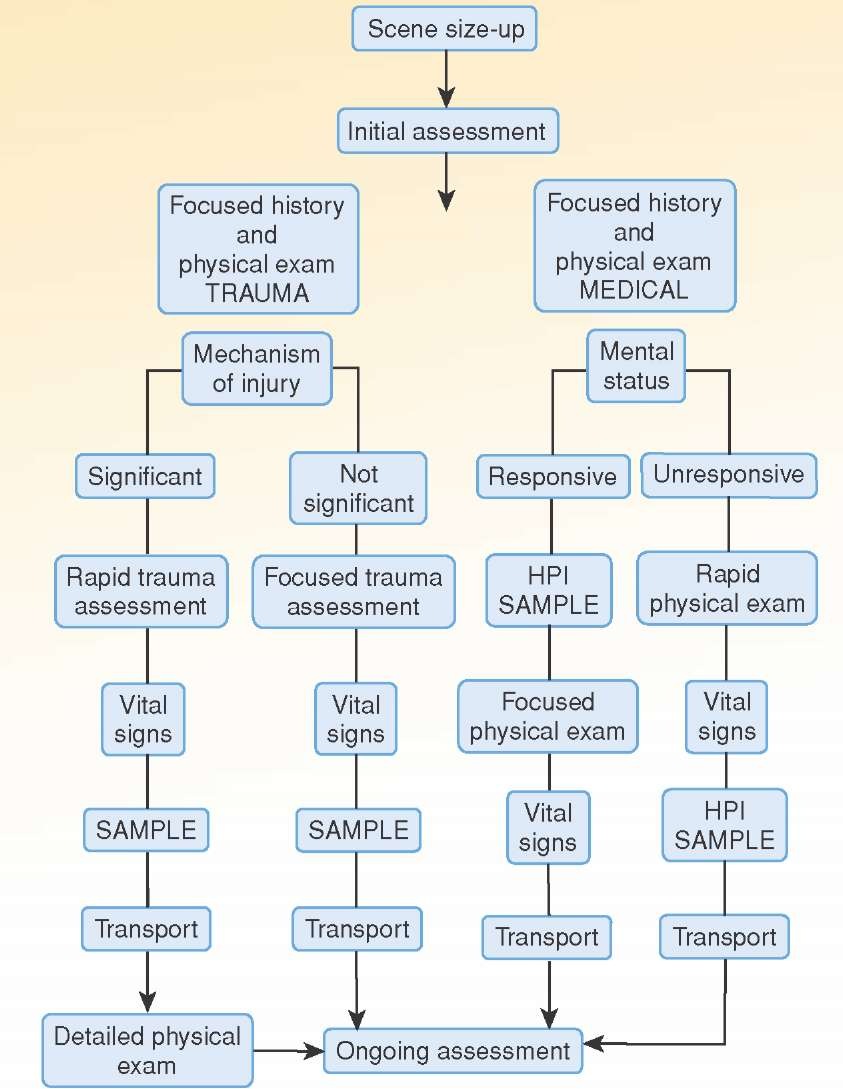
Scene Size Up And Primary Assessment Principles Of Clinical Practice Paramedic Care Part 1
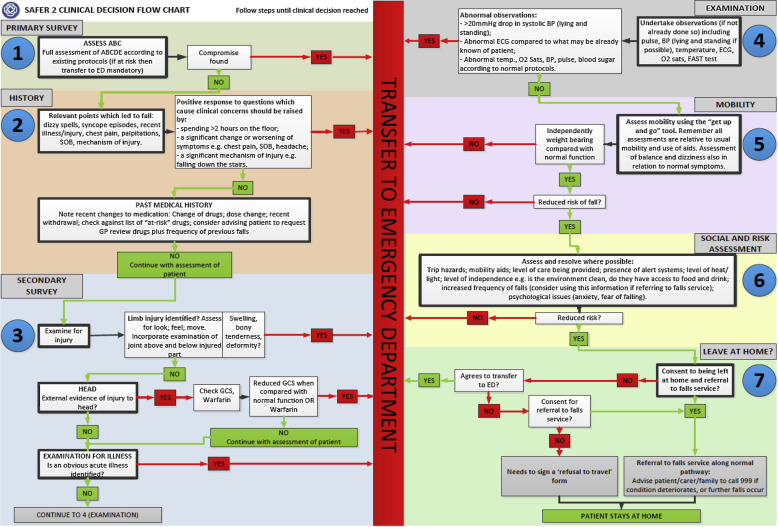
Ramblings From Red Shift Falls Pareflectioned

The Revision Of The Primary Survey A 2011 Review Journal Of Paramedic Practice
8 Patient Assessment Tips For New Emts


Comments
Post a Comment